
Home / Our solutions / MedX
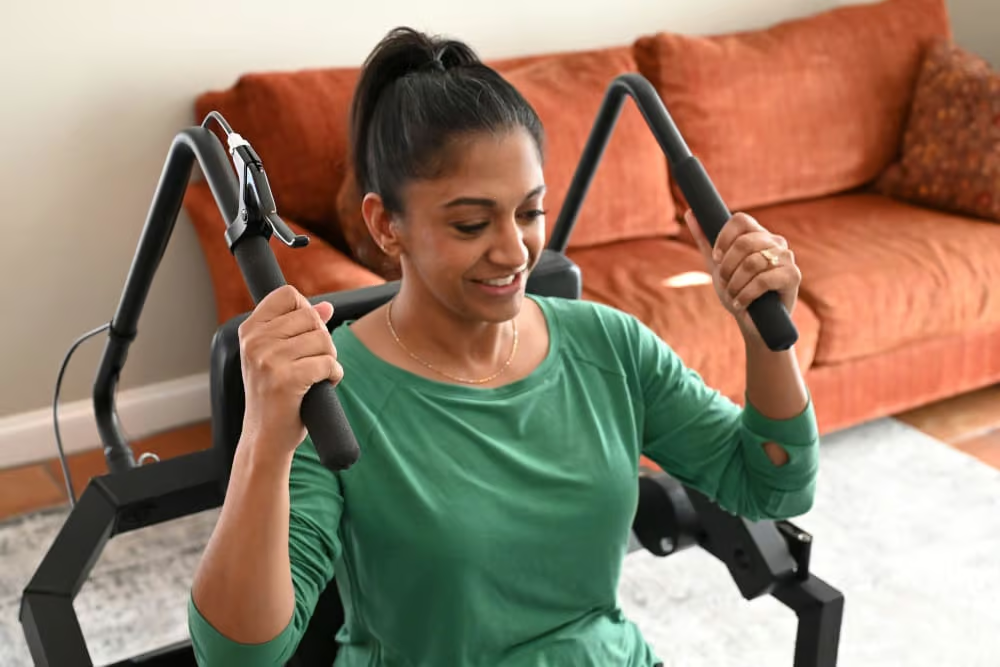
MedX Lumbar Extension DeviceMedX lower back extension machine at home
Empathetic, multidisciplinary patient care for low back pain, achieved via a back machine conveniently located in a patient’s home.
How to get started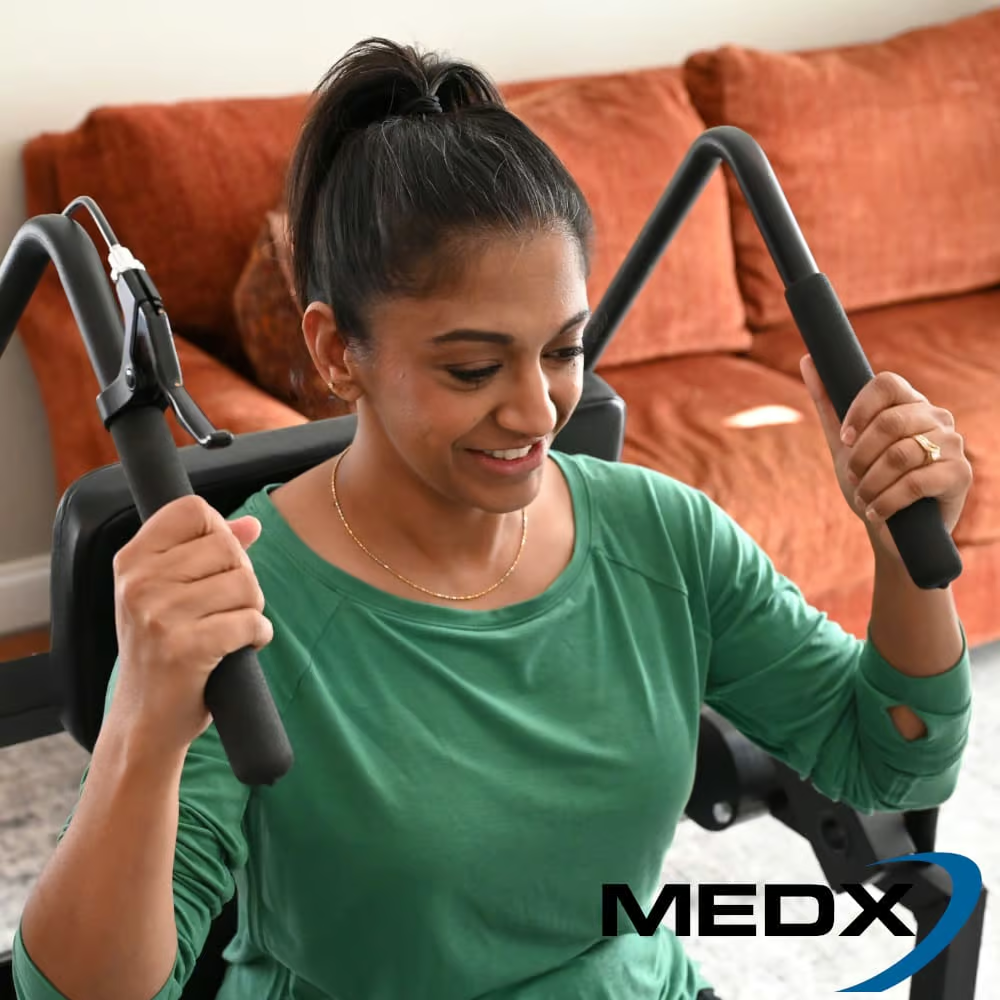
Why MedX works for low back conditions
While participating in the low back program, patients utilize the MedX lumbar extension device. Lumbar extension rehabilitation equipment is recommended by the Official Disability Guidelines (ODG) for low back conditions and may be used as a first line treatment option after back injury.
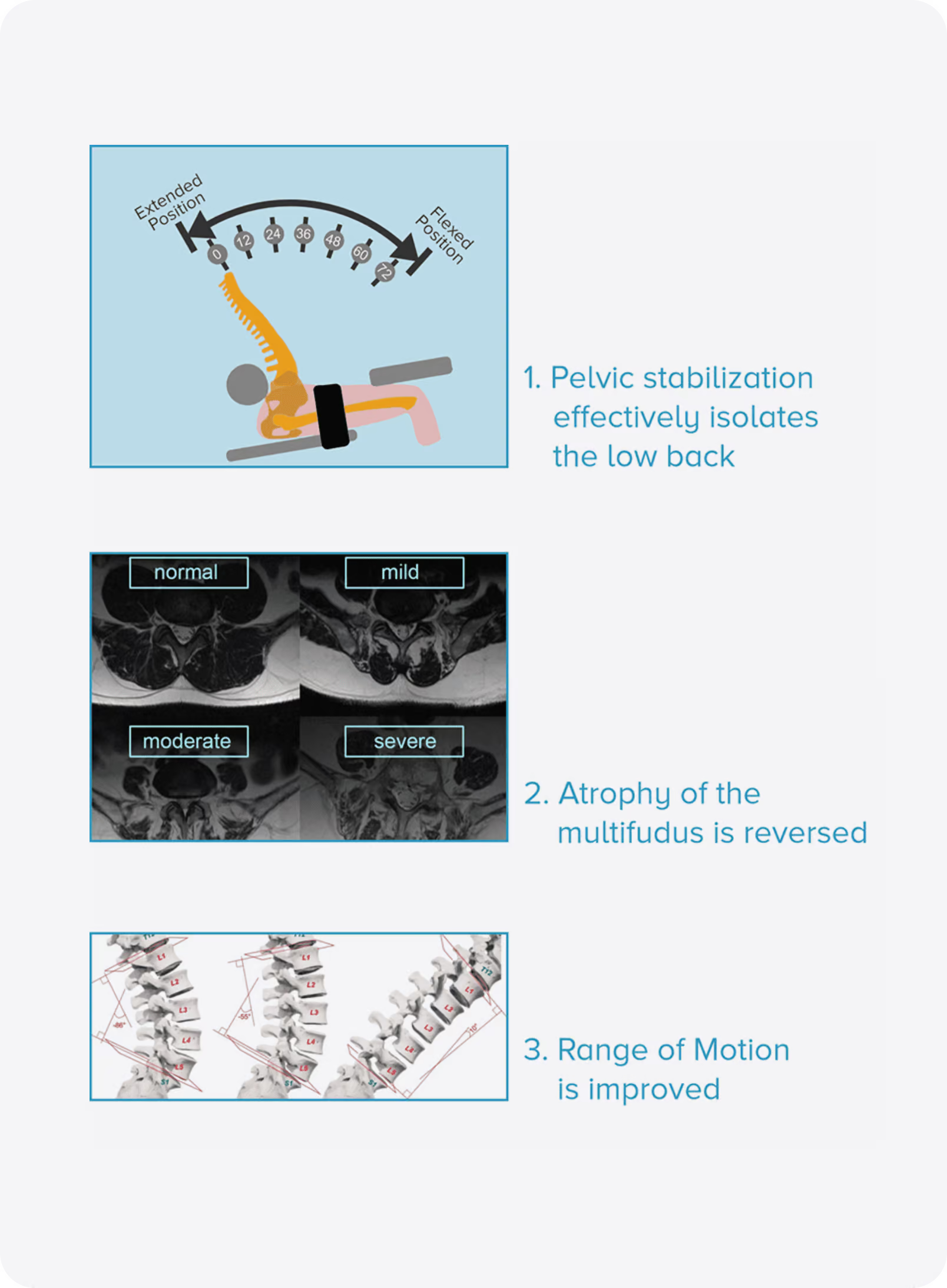
Stabilization of the pelvis is required to prevent the hip and leg muscles from being activated during rehab. Pelvic stabilization targets the low back muscles as the only muscle group being recruited during the movement. Pelvic stabilization and lumbar isolation optimally strengthens the low back to help patients recover from injury.
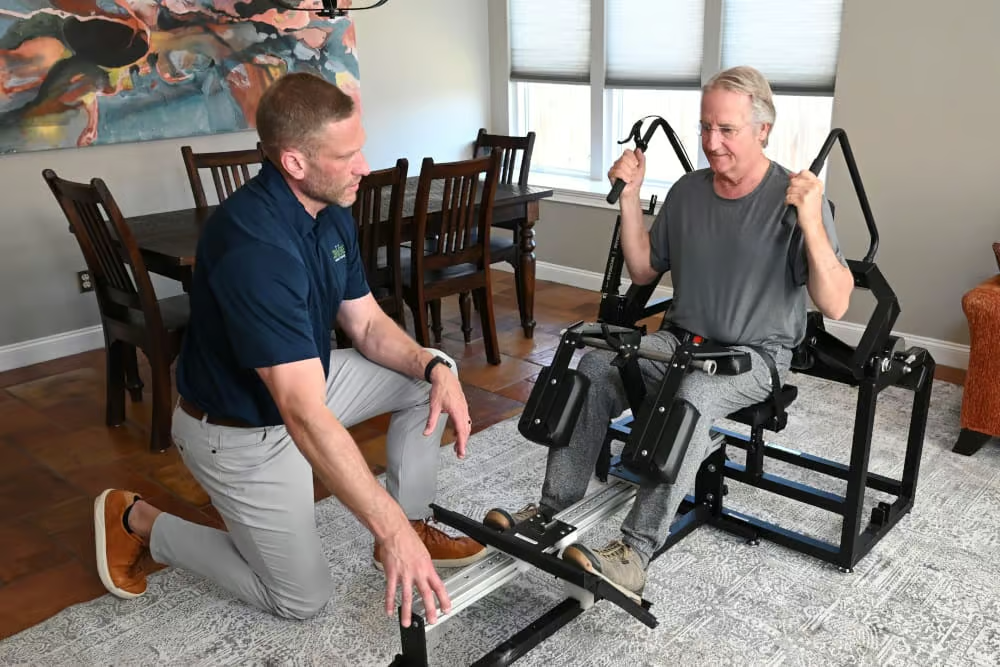
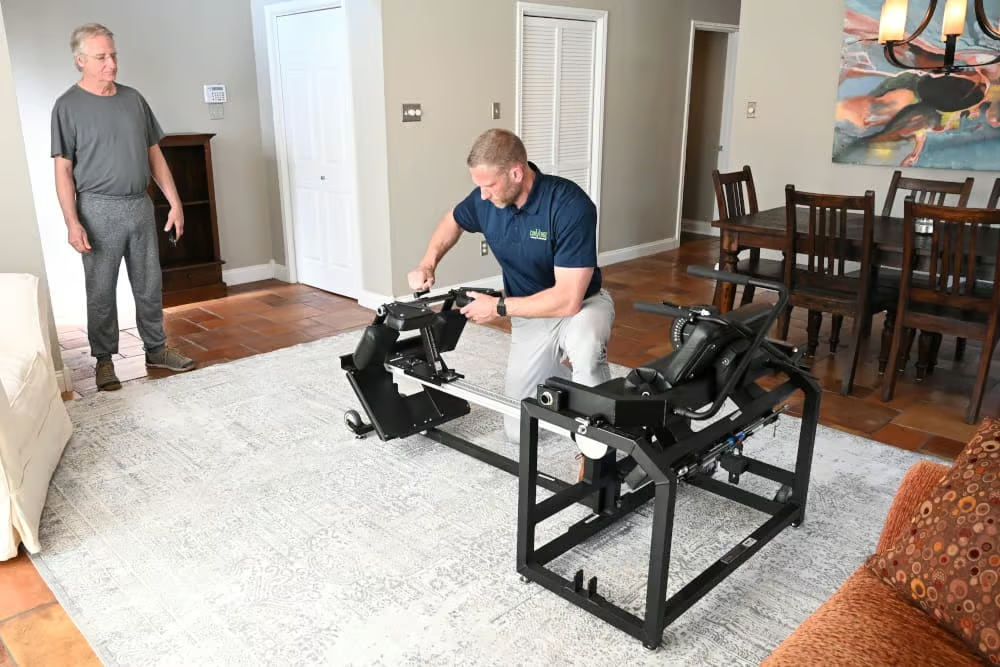
Delivered, set up and used at home.
Registered with the FDA
Registered with the FDA and having over 75 peer reviewed studies published, the MedX back device has been shown to reverse the low back muscle weakness (multifidus and erector spinae) that plagues patients after injury and prolongs their pain and disability.
1 Figures as published by Converge Medical Technology. See outcomes and research
Conditions, procedures and research.
Conditions improved by using MedX at home
- Low back pain lasting longer than 4 weeks
- Low back strain/sprain
- Leg pain
- Herniated and bulging discs
- Degenerative disc disease
- Spondylolysis
- Facet joint syndrome
- Spondylolisthesis (Grade 1 and 2)
- Spinal stenosis
- Sciatica
- Non-specific low back pain
- Osteoarthritis
MedX after a lumbar procedure

Many patients referred to Converge Medical Technology are recovering from a lumbar spinal surgery or procedure. Bringing the MedX device to the patient’s home after surgery is a great convenience that enhances results. Using MedX at home increases consistency, resulting in better patient results.
- Radio Frequency Ablation (RFA)
- Epidural Steroid Injection (ESI)
- Facet joint injection
- Microdiscectomy
- Laminectomy
- Fusion surgery
- Decompression surgery
- Medial branch block
- Vertebroplasty
- Kyphoplasty
Research behind MedX
Pelvic stabilization and lumbar isolation, muscle atrophy and post-surgery studies are listed on our research page.
- The Effect of Lumbar Extension Training With and Without Pelvic Stabilization on Lumbar Strength and Low Back Pain.
- Electromyographic Analysis of the Lumbar Extensor Muscles During Dynamic Rehabilitation on a Home Rehab Device.
- The Effect of Early Isolated Lumbar Extension Rehab Program for Patients with Herniated Disc Undergoing Lumbar Discectomy.
- The Clinical Effects of Intensive, Specific Rehab on Chronic Low Back Pain: A Controlled Study of 895 Patients With 1-Year Follow Up.
Four short videos for patients.
How to operate the machine, use your therapy card, perform a session and change the piston.
Ask your doctor if MedX is right for you.
Your physician will decide which of our devices is right for you, then write a prescription.